Source Pinch Pleat Luxury Curtain Fabric for Home, Hotel, Office
Source pinch pleat luxury curtain fabric from 30 verified listings. Compare wide-width options, material compositions like polyester blends, and customization features for residential and commercial interior projects. Evaluate GSM weights, opacity levels, and dye technologies to find the perfect fit for your specific design requirements and budget constraints.
Key considerations
Products List


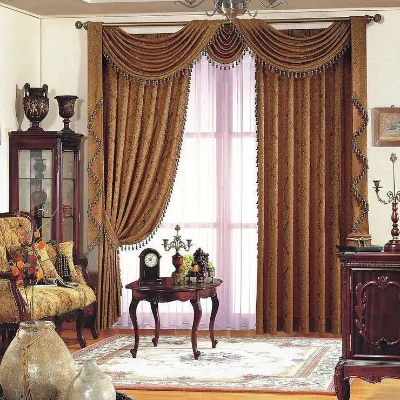


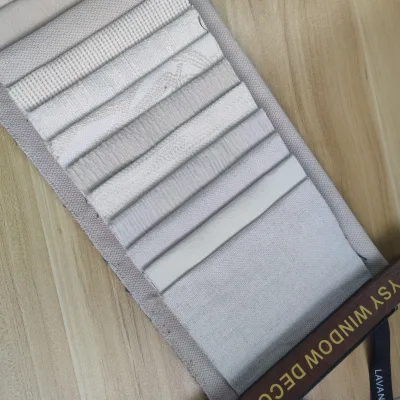


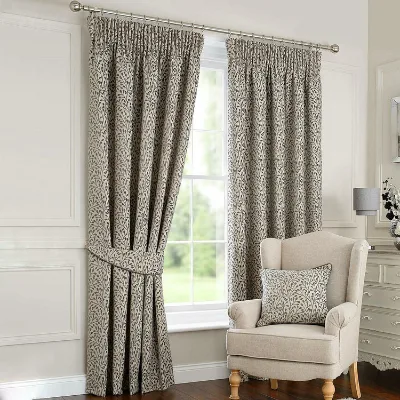
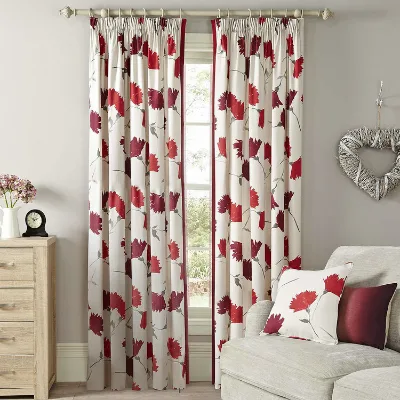
Comprehensive Sourcing Guide
Pinch Pleat Luxury Curtain Fabric Sourcing Guide
Buyers seeking pinch pleat luxury curtain fabric must first distinguish between heavy, structured weaves and lighter sheer options, as the supplied data reveals a wide spectrum of available textures. The observed inventory includes high-density materials like 440GSM polyester blends alongside lighter 300GSM compositions, indicating that the term "luxury" in this market often refers to the finish and drape rather than a single weight class. Procurement teams should verify if the specific fabric weight supports the structural integrity required for deep pinch pleats without sagging or losing shape over time.
The sourcing landscape also presents diverse material compositions, ranging from 100% polyester to complex blends of cotton, linen, and polyester. While some listings highlight natural textures and eco-friendly features, others focus on high-performance attributes like waterproofing and easy cleaning. Buyers must align their aesthetic requirements with functional needs, ensuring that the selected fabric composition, whether it is a slub sheer or a plain dyed heavy weave, matches the intended environment of the project, such as a hotel lobby or a private residence.
Product Scope and Observed Listing Signals
The current market signals indicate a strong availability of wide-width fabrics, with observed specifications ranging from 280cm to 340cm, which is critical for minimizing seams in large luxury installations. Listings frequently mention customization options for patterns and styles, including modern, natural, and textured designs that cater to contemporary interior trends. Buyers should note that while some products are marketed as linen fabric, the actual composition may be a polyester blend designed to mimic the look of natural fibers while offering enhanced durability and color fastness.
Observations of the product range reveal significant variation in technology and finish, with some items utilizing dyeing processes while others feature embroidery or specific sheer treatments. The presence of iron-bottom curtain fabrics and specific models like CAS356 suggests that manufacturers offer specialized variants tailored for specific hanging methods and aesthetic effects. Procurement teams must carefully review the "Use" field in product descriptions to confirm suitability for upholstery, sofa applications, or standard window treatments, as the same fabric may be marketed for multiple distinct uses.
Technical Specifications to Verify
When evaluating technical specifications, the width of the fabric is a primary constraint that directly impacts cutting efficiency and waste reduction. The observed data shows widths of 280cm, 290cm, and up to 340cm, requiring buyers to confirm that the selected roll width aligns with their window dimensions to avoid unnecessary splicing. Additionally, the weight of the fabric, observed between 300GSM and 440GSM, dictates the drape and the type of heading tape required for pinch pleat construction, necessitating a precise match between the fabric mass and the desired visual heaviness.
Material composition and opacity are equally critical verification points, as the market offers everything from semi-sheer slub curtains to opaque, heavy-duty drapes. Buyers must verify the exact percentage of cotton, linen, and polyester in the blend, as this influences the fabric's breathability, texture, and resistance to fading. Furthermore, the presence of specific features like waterproofing and easy cleaning should be confirmed against the intended application, ensuring that the fabric can withstand the environmental conditions of the installation site without compromising its aesthetic appeal.
Compliance and Safety Documentation
Safety and compliance documentation for luxury curtain fabrics often centers on chemical safety, particularly regarding formaldehyde concentrations which are critical for indoor air quality. The supplied facts indicate that some products meet a formaldehyde concentration threshold of less than 0.15mg/m³, a benchmark that buyers should request as a standard verification point for all luxury textile orders. This specific data point serves as a proxy for the overall chemical safety of the dyeing and finishing processes used by the manufacturer.
Beyond chemical safety, buyers must verify the standard specifications and packaging protocols to ensure the fabric arrives in a condition suitable for high-end installation. The observed data mentions standard specifications or customized options, along with packing methods like folded, rolled, or poly bagged shipments. Procurement teams should ensure that the supplier provides documentation confirming that the fabric meets the agreed-upon width and material standards, as deviations in these areas can lead to significant installation delays and aesthetic failures in luxury projects.
Cost Drivers and Commercial Terms
Cost drivers in this sector are heavily influenced by the material composition and the complexity of the finishing processes, such as embroidery or specific dyeing techniques. The observed MOQ ranges from a single meter to 15,000 units, suggesting that pricing structures vary significantly based on order volume and customization requirements. Buyers should anticipate that custom patterns, specific weights like 440GSM, or specialized finishes like iron bottoms will command a premium over standard plain dyed options.
Commercial terms also vary widely, with some suppliers offering flexible MOQs of just one meter while others require substantial minimums of 1000 meters. The lead time and transport methods, such as fabric roll packing or buyer-specific requests, further impact the total landed cost. Procurement teams must negotiate clear terms regarding the packaging, whether it is folded or rolled, to prevent damage during transit, and should clarify how customization fees are calculated to avoid unexpected cost overruns in the final invoice.
Supplier Qualification and Quality Control
Supplier qualification for luxury curtain fabrics requires a rigorous assessment of their production capabilities and origin locations, which are primarily concentrated in Zhejiang and Shaoxing, China. Buyers should verify that the supplier has the technical capacity to handle wide-width fabrics and complex material blends without compromising consistency. The presence of specific product models and design numbers in the listings indicates a level of standardization that can be leveraged for quality control, provided the supplier maintains strict adherence to these model specifications.
Quality control protocols must extend beyond the initial product sample to include checks on color fastness and texture consistency across large rolls. The observed features like "Good Color Fastness" and "Eco-Friendly" claims should be substantiated through third-party testing or detailed supplier audits. Buyers should establish a clear communication channel for addressing any discrepancies in width, weight, or material composition, ensuring that the final delivered goods match the agreed-upon standards for luxury applications.
Long-Term Procurement Checks
Long-term procurement success depends on establishing a reliable supply chain that can consistently deliver fabrics meeting the specific aesthetic and functional requirements of luxury projects. Buyers should implement a system for tracking supplier performance regarding lead times, packaging integrity, and adherence to material specifications over multiple orders. The ability of the supplier to accommodate custom requests and maintain consistent quality across different production batches is essential for maintaining the high standards expected in the luxury interior design market.
Regular audits of the supplier's production processes and material sourcing are necessary to ensure ongoing compliance with safety and quality standards. Buyers should periodically review the formaldehyde levels and other chemical properties of the fabric to ensure they remain within safe limits as production methods evolve. By maintaining a proactive approach to supplier management and quality verification, procurement teams can mitigate risks and ensure a steady supply of high-quality pinch pleat luxury curtain fabric for their ongoing projects.
FAQs
What material compositions are available for pinch pleat luxury curtain fabric?
Available options include a blend of 25% cotton, 25% linen, and 50% polyester, as well as 100% polyester variants. These materials offer distinct textures and durability levels suitable for modern and natural interior styles. Buyers can select based on desired weight, ranging from 300 GSM to 440 GSM, ensuring the fabric meets specific aesthetic and functional requirements for home decor applications.
Can I customize the width and pattern for luxury curtain fabric orders?
Yes, customization is available for both width and pattern specifications. Standard widths include 280cm, 290cm, and 340cm, with options for semi-sheer or opaque finishes. Patterns can be accepted as custom designs, allowing for unique visual effects. This flexibility supports tailored sourcing for various interior design projects, ensuring the fabric aligns precisely with specific room dimensions and stylistic preferences.
What is the minimum order quantity for sourcing pinch pleat curtain fabric?
The minimum order quantity varies by product type, starting from just 1 meter for certain samples or small batches. Some specific models require a minimum of 1000 meters. This range accommodates both small-scale testing and large-volume production needs. Buyers should verify the specific MOQ for their chosen model to ensure alignment with their procurement volume and budget constraints.
Which features make these curtain fabrics suitable for residential and commercial use?
These fabrics feature eco-friendly, waterproof, and easy-clean properties, making them ideal for high-traffic areas. They are suitable for living rooms, hotels, bedrooms, and offices. The materials offer good color fastness and durability, ensuring long-term performance. These functional attributes, combined with modern styling, provide practical solutions for diverse interior environments while maintaining aesthetic appeal and ease of maintenance.
How are the curtain fabrics packaged for international shipping and transport?
Fabrics are typically packed in folded, rolling, or poly bag plus woven bag formats. Transport options include fabric roll packing or customized packaging per buyer requests. This ensures safe delivery and protection during transit. The packaging methods are designed to prevent damage and maintain fabric quality, facilitating efficient handling and storage upon arrival at the destination warehouse or project site.
What are the standard specifications for wide-width luxury curtain fabrics?
Standard specifications include widths of 280cm, 290cm, and 340cm, with some models reaching 114 inches. Materials range from polyester blends to 100% polyester, with weights like 300 GSM and 440 GSM. These wide widths reduce seam requirements for large windows. Customized standards are also available, allowing buyers to specify exact dimensions and material compositions to meet unique project requirements.